
As a content writer at Buffer who’s always deep in the latest AI tools, I’ve tested dozens to find the ones worth keeping. These are the 14 AI social media content creation tools that do everything from feeding my thinking to automating the busywork.
Every piece of content I create starts long before I open a doc, and many times, it starts in my inbox.
I'm the kind of person who subscribes to something the moment it's recommended and then never opens it again if it doesn't earn its spot. What survived that process is this list. These are the newsletters that consistently feed my thinking, spark post ideas, and keep me sharp on what's actually happening in social media and the creator economy. Every newsletter on this list is one I've read consistently and have referenced in my own work — whether that's a LinkedIn post, a Buffer article, or a conversation with a colleague.
A great content rotation needs range, not volume. You want sources that challenge how you think, not just confirm what you already know — and enough variety that your inbox doesn't start sounding like one voice.
What follows is split into two tiers: the newsletters I never miss (my essentials) and the ones I rotate through depending on what I need that week. I organized both by purpose, so you can find what fits the gaps in your own rotation.
Jump to a section:
- The newsletters I never miss
- More newsletters worth your inbox space
- Your content rotation is a practice, not a collection
- Frequently Asked Questions
The newsletters I never miss
There are newsletters I subscribe to, and then there are newsletters I read. These are the ones I open the moment they land (or bookmark for later and actually go back to). If you're building a content rotation from scratch, start here.
Link in Bio by Rachel Karten
If you work in social media, you've probably already heard of Link in Bio — and if you haven't, this is me telling you to fix that immediately. Rachel Karten's newsletter is the closest thing our industry has to a masterclass, delivered to your inbox every week.
What makes Link in Bio absolutely essential to my content rotation isn't just that Rachel knows social media strategy inside and out (she does). It's that she brings in the people actually doing the work — social media managers at brands like Duolingo and the Washington Post, creators experimenting with formats you haven’t thought of yet — and gets them to walk through their thinking in a way that's both specific and steal-worthy. Every issue reads like a really good conversation with someone who's a few steps ahead of you.
I keep a running list of ideas I've gotten from Link in Bio in my (digital) back pocket, and I can confidently say each issue makes me better at my job.
Considered Chaos by Eugene Healey
Eugene Healey is a brand strategist and college professor based in Melbourne, Australia, and his newsletter, Considered Chaos, looks at culture through the lens of brand. Each issue feels like going to class, with deep dives into how consumer behavior is shifting, why certain aesthetics take hold, and what's actually driving the trends we're all scrambling to keep up with on social media.
I started reading Eugene's work after his "death of the millennial brand" series went viral, and the newsletter is where he goes deeper on those ideas. It's the kind of writing that makes you zoom out from the day-to-day of content calendars and posting schedules and think about why the things that work are working.
If you're a social media manager or creator who wants to be more strategic about the brands you build for work or yourself, this is the newsletter that gives you the vocabulary and frameworks to think at that level. I always come away from his work with a sharper perspective.
Creator Science by Jay Clouse
Jay Clouse treats being a creator like a discipline, and that's exactly what earns Creator Science a spot in my weekly rotation. Jay has built a seven-figure creator business and interviewed hundreds of creators along the way, and every issue is rooted in something he's actually tested, measured, or pulled from those conversations.
What I appreciate most is that Jay doesn't just share what's working. He shares the thinking behind what's working, so you can adapt his insights to your own situation rather than just copying a tactic that might not apply. Whether it's how he structures a newsletter, how he approaches sponsorships, or how he thinks about audience growth, there's always a layer of strategic reasoning that makes his advice transferable.
For anyone who takes content creation seriously and wants to approach it like a craft, not just something you do when inspiration strikes, Creator Science is the newsletter that keeps pushing you to be more intentional.
ICYMI by Lia Haberman
Every field needs a newsletter that just covers everything, and for social media and the creator economy, that's ICYMI. Lia Haberman pulls together the news, the platform changes, the industry moves, and the cultural shifts — and, critically, she contextualizes all of it.
That last part is what separates ICYMI from a news roundup. Lia doesn't just tell you what happened; she connects the dots and tells you why it matters. When a platform announces a new feature, she'll break down what it actually means for creators and brands. When there's a shift in how the creator economy operates, she's usually the first person connecting it to a bigger trend. Her background as a consultant and UCLA lecturer gives her analysis a depth that most newsletter roundups can't match.
ICYMI is the newsletter I reference most when I'm writing for Buffer. If something happened on social media this week, Lia likely covered it — and she probably explained it better than the company's own press release.
Why We Buy by Katelyn Bourgoin
Every marketer eventually hits the same wall: you know what to post, but you're not sure why some things land and others don't. Why We Buy is the newsletter that gets you past that wall. Katelyn Bourgoin breaks down the psychology behind buying decisions. She dives into principles about what makes people click, trust, and ultimately spend money, and she does it in a way that's immediately usable.
Each issue unpacks a specific psychological trigger or bias with real-world examples from brands you've actually heard of. It's the kind of newsletter where you'll read about the pratfall effect on a Tuesday morning and then use it to rewrite a LinkedIn hook by lunch. Katelyn has a gift for making behavioral science feel like a practical toolkit rather than something you need a research degree to apply.
What I appreciate most is how transferable the insights are. Whether you're a social media manager trying to write better copy or a small business owner wondering why your landing page isn't converting, the underlying psychology is the same.
Party Friend by Xanthe Appleyard
Some newsletters teach you how to do the work or why the work matters. This one reminds you how fun the work can be. Xanthe Appleyard's Party Friend is the newest addition to my essentials list, and it earned its spot fast. It's the newsletter I open when I want to feel genuinely excited about being online.
Xanthe writes about social media strategy, digital culture, and the creator experience with warmth and creativity. Her monthly Culture Shift column alone is worth the subscription. It’s where she tracks the subtle shifts in how people are behaving online before they become the trends everyone's talking about.
But it's the overall energy of the newsletter that hooked me. It reads like getting advice from a friend who's both deeply thoughtful about the internet and still having a good time on it.
Party Friend fills a gap I didn't realize my inbox had. After a week of reading about algorithms, metrics, and platform changes, this newsletter reconnects me to the creative side of the work. If your content rotation is heavy on strategy and light on inspiration, start here.
The Weekly Scroll by Buffer
I have a confession: I don't read newsletters the way most people do, i.e., I don't open them, skim, and close. I open them, highlight, screenshot, dump quotes into a running doc, and then sit with whatever's stuck in my head until it turns into something — a LinkedIn post, a Buffer article, an intro for The Weekly Scroll, or just a sharper way of thinking about a problem I've been circling.
That's the driving philosophy behind The Weekly Scroll, Buffer's newsletter that I write and curate every week. When we revamped it, I didn't want to build another roundup. There are plenty of those, and many of them are far more excellent than what I could do.
I needed to do two things: 1. present Buffer’s content in an interesting way for the medium of email. And 2. find a balance between news and commentary — a newsletter where the curation itself was an editorial act, and where my perspectives mattered as much as the links I shared.
The intros are where this shows up most. I tend to start each issue with whatever I've been thinking about that week — sometimes it's directly tied to the news, sometimes it's a question I can't stop turning over, sometimes it's a connection between two things I’ve noticed. Those intros don't come from nowhere. They come from the five essentials above and the dozens of other inputs that filter through my week.
We're currently exploring what it would look like to bring The Weekly Scroll to Substack, leaning into the discoverability and community features that a traditional email platform can't offer. I think the introduction of replies and comments will turn the newsletter from a broadcast into a conversation, and that feels like the right evolution for a Buffery newsletter.
Subscribe to The Weekly Scroll to keep up→
More newsletters worth your inbox space
The five essentials above are the newsletters I genuinely never miss. But a good mix needs range, and these are the newsletters I rotate through depending on what I need that week — whether it's breaking news, strategic depth, practical skills, or something that makes me think differently about the work entirely. Who knows, they could land a spot on your essentials list.
Stay current on creator economy and social media news
- Marketing Brew by Morning Brew: If you need a fast, well-sourced rundown of what's happening across the marketing and advertising industry, Marketing Brew is hard to beat. I don't read every issue cover to cover, but when news breaks, this is often where I see it first — and their coverage is so reliable that I can reference it in my own work without second-guessing.
- Geekout by Matt Navarra: Matt Navarra has his finger on the pulse of every platform update, feature test, and policy change happening in social media. This is the newsletter I open when I want the full overview of what’s changed on social platforms every week. It's comprehensive enough to save you hours of scrolling through X and Threads trying to piece things together yourself.
- Lindsey Gamble's Newsletter: Lindsey covers influencer marketing and the creator economy with analysis that goes beyond the headline. What I appreciate most is that he connects platform developments to business implications by explaining what different updates means for brands and creators working in this space. If you work anywhere near influencer marketing or brand partnerships, this should be in your inbox.
Think bigger about marketing and the creator economy
- The Publish Press by Colin and Samir: Colin and Samir have built one of the most thoughtful media brands covering the creator economy, and their newsletter distills the same energy. Each issue tends to focus on a specific creator, deal, or trend and unpacks the business model behind it. It's helped me think about content less as posts and more as products — which changes how you approach everything.
- MKT1 by Emily Kramer: This is a B2B startup marketing newsletter, which makes it a wildcard on this list. But I keep reading it because Emily Kramer thinks in frameworks — positioning, team structure, content strategy, distribution — in ways that transfer far beyond the startup/B2B world.
- Passionfruit: Passionfruit covers the business side of being a creator — the contracts, the money, the labor dynamics that most of us don't talk about enough. It's real journalism about the creator economy from creators. I find it especially useful when I'm writing about creator trends for Buffer and need a source that treats the industry with the seriousness it deserves.
- Creator Economy NYC by Brett Dashevsky: Brett Dashevsky built Creator Economy NYC from a 15-person bar meetup into the largest creator community in the country, and the newsletter carries that same connector energy. Each issue covers how creators are building, monetizing, and scaling — with a focus on the business models behind the work, not just the content itself. I especially appreciate that it reads like advice from someone who's actively building in the space, not just observing it.
- Creator Spotlight by Beehiiv: Creator Spotlight does something most creator economy newsletters don't: it goes deep. Each issue is a full profile of a single creator — how they grew, how they earn, what's actually working — written with the kind of editorial care that makes you read the whole thing even when you planned to skim. The interviews have become a quiet masterclass in how different creators build audiences and businesses, from local newsletter operators to LinkedIn-first brands. If you want to study the craft of creator businesses, not just hear about them, start here.
- Communiqué by David Adeleke: If you want to understand Africa's media and creative economy — really understand it, not just glance at it — Communiqué is the resource you need. David Adeleke covers everything from how African countries export their culture to the business dynamics of the continent's creator ecosystem, with the kind of sharp analysis that's earned recognition from the United Nations and praise from journalists like Casey Newton.
To sharpen your social media and content skills
- Future Social by Jack Appleby: Jack breaks down real brand social media campaigns with the kind of specificity and critique that most marketing writing avoids. This is the newsletter I go to when I want to study the craft of social media. He also has a talent for spotting patterns across brands that make you rethink your own approach.
- Creator Wizard by Justin Moore: If you're a creator who does brand partnerships — or wants to — Justin Moore is the person to learn from. Creator Wizard is entirely focused on the art and business of sponsorships: how to pitch, how to price, how to negotiate, how to build relationships that last longer than a single campaign. I've recommended this to so many people that it's practically part of my personal brand at this point.
- The Social Social Club by Slate: This is a newer addition to my rotation, but it's quickly become one I look forward to. Written by the team behind Slate (a content creation tool built for social teams), it reads less like a company newsletter and more like a conversation between people who actually do the work. The recent issue on what it's like to run social for an NFL team was the kind of behind-the-curtain storytelling that makes you better at your job just by reading it. It's built by social media managers, for social media managers — and that shows.
- Creator Tea Talk by Jayde I. Powell: Jayde is one of those people who makes you smarter just by watching how she moves. Creator Tea Talk started as a LinkedIn Audio series bringing together creators, brands, and marketers for transparent conversations about the parts of the creator economy that people usually keep quiet about — rates, burnout, pay equity, what brand deals actually look like behind the scenes. The conversations have since expanded into a newsletter (Looseleaf) and a wider community. If you want to sharpen your understanding of how the creator economy actually works for the people in it, not just how it looks from the outside, follow Jayde's work. I'd also recommend following her on LinkedIn — she's one of the most honest voices on the platform.
- Content to Commas by Brandon Smithwrick: Brandon went from running social at Ralph Lauren and Squarespace to building a creator business that earns six figures — and Content to Commas is where he shares the playbook. Every Saturday, he drops actionable frameworks on monetization, personal branding, and content strategy, written specifically for what he calls "creatorpreneurs": people who think like creators but operate like CEOs.
For creative fuel and inspiration
- Post-Culture by Sibling Studio: Post-Culture is a brand strategy newsletter that reads like the coolest cultural studies class you never took. Sibling Studio covers the intersection of brands, culture, and identity — from doppelgänger contests to the rise of Lime as a lifestyle brand — with writing that's sharp, opinionated, and genuinely fun to read. I come here when I need to zoom all the way out from daily social media tactics and think about what's actually happening in culture and why brands keep trying to participate in it.
- People Brands and Things: Where consumerism, culture, and creativity meet — that's their tagline, and it's accurate. PBT covers campaigns, brand collaborations, and product launches with an eye for what's culturally interesting rather than what's simply new. With 17K+ subscribers and recognition from Muse by Clios, they've carved out a lane as the place to find out what brands are doing well (and why it's working). I love it for discovering brands and creative work I would have completely missed otherwise.
Your content rotation is a practice, not a collection
I shared 23 newsletters in this article, but I want to be honest: I don't read every issue of every one. And really, who has the time or inbox space?
Each of these newsletters has earned a spot because when I do open them, they make my work better. They give me a new way to think about a problem, a framework I can actually use, a reference I'll pull into a meeting or a post or a pitch three weeks from now.
The mistake most people make with their content rotation is treating it like a to-do list. More subscriptions, more tabs, more saving things for later when "later" never comes. But curation is about building a system so that the right ideas reach you at the right time.
So here's what I'd actually recommend: don't subscribe to all 23 of these today. Pick three or four that fill a gap in how you currently think about your work. Read them for a month. Pay attention to which ones you're opening first, which ones make you pause to take notes, and which ones show up in your own writing and conversations. Those are your essentials, and everything else is rotation.
Your content rotation should match your needs and taste, not just what someone else told you to follow (including this one).
Frequently Asked Questions
How many newsletters should I subscribe to?
There's no magic number, but start with three or four that serve different purposes — one for news, one for strategy, one for skills or inspiration. Read them consistently for a month, then keep the ones you're actually opening. My essentials list is six, but it took years of subscribing and unsubscribing to get there.
What are the best newsletters for social media managers?
For a well-rounded mix, start with Link in Bio by Rachel Karten for tactical depth, ICYMI by Lia Haberman for industry news, and Future Social by Jack Appleby for campaign analysis. Add Geekout by Matt Navarra if you want comprehensive platform update coverage.
How do I keep up with newsletters without getting overwhelmed?
Organize your newsletters into "essentials" (read every issue) and "rotation" (read when the subject line grabs you or you need something specific). If you haven't opened a newsletter in three consecutive issues, that's your signal to unsubscribe. No guilt required.
Recommended Story For You :
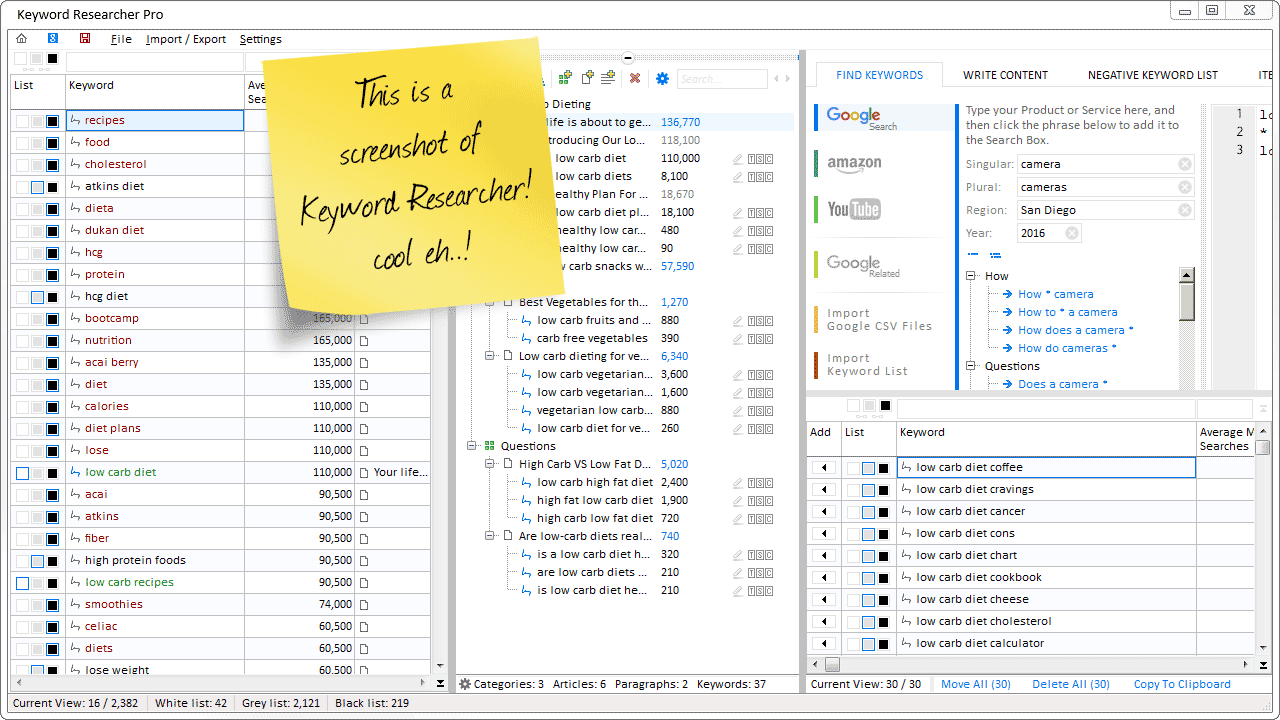
Organize Keywords and Import CSV Files from the Google Keyword Planner
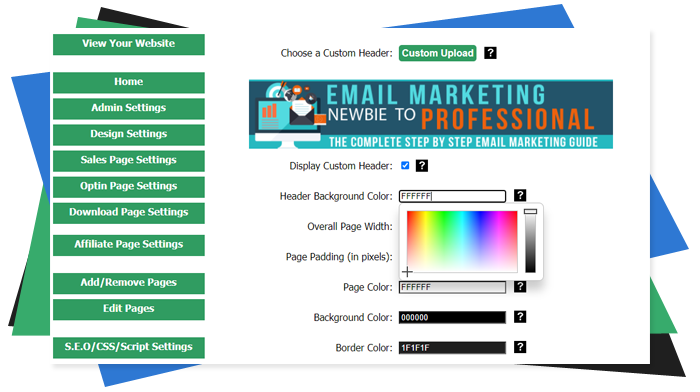
The Most Affordable And Easiest User Friendly Page Builder You Will Ever Use!

Instant WordPress Theme That Matches Your Website
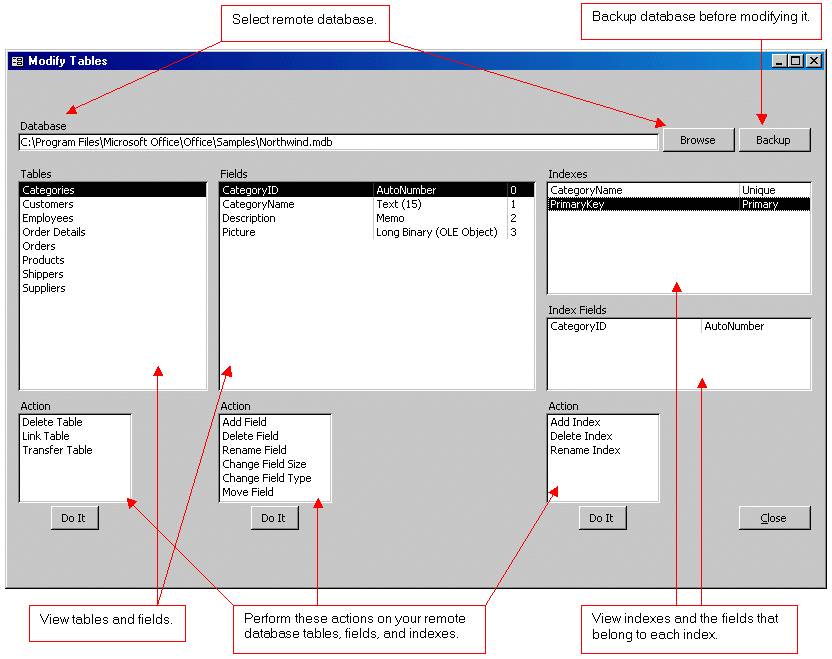
Wizard to Manage Remote Backend MS Access Database Tables Fields and Indexes

If you had an aisle-by-aisle grocery list wouldn't you spend less money on impulse items?
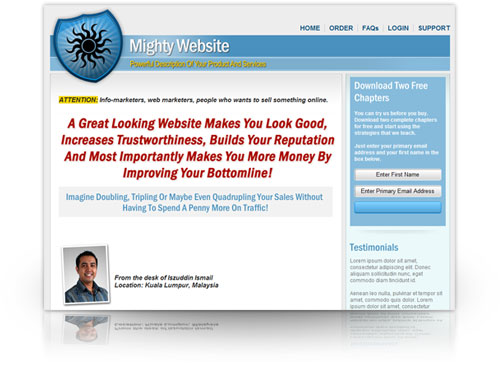
everything you need to create a professional corporate look mini-site is there.

Unlock Your Networking Potential with GNS3Vault
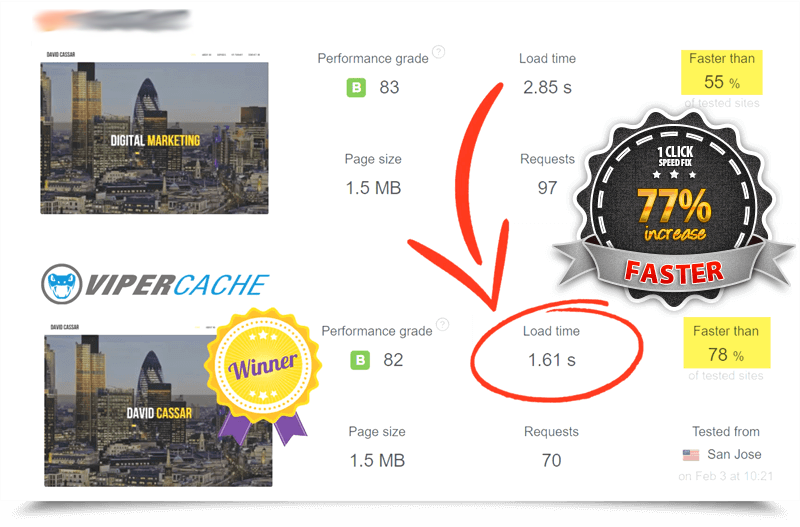
Viper Cache Was 77% Faster Than The Competetion

Understanding Stock Market Shorting eBook